
 Fineo by AGC and ift Rosenheim have a long-standing partnership. The institute supported Fineo in obtaining the general construction technique permit (aBG) for use in linearly supported vertical glazing, which was granted by the German Institute for Construction Technology (DIBt) in early 2025. At the end of 2024, AGC also became the first manufacturer worldwide to obtain CE marking for vacuum glass.
“Fineo is the only vacuum insulating glass for which an aBG has been granted. Without this approval, a project-specific construction technique permit must be applied for individually for each project. There is, however, no guarantee that it will be granted. In the worst case, windows that have already been installed may have to be removed again,” says Stefan Lips, Head of Sales at Fineo by AGC for Europe. “With Fineo, planners, architects and window manufacturers have planning certainty from the outset”.
Glass replacement to preserve historic windows
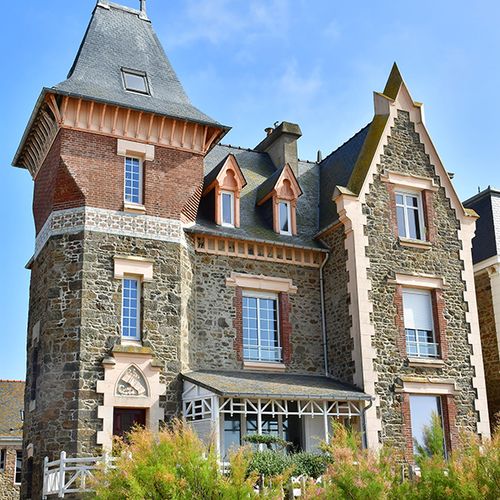
Improving the energy efficiency of historic windows poses particular challenges. Their frames were designed for thin single glazing. Due to their significantly greater overall thickness, modern multiple glazing units often cannot be integrated into the existing constructions.
Fineo combines the thinness of single glazing with high thermal insulation performance, achieving a Ug value of 0.7 W/(m²K) compared with around 5 W/(m²K) for conventional single glass. Moreover, following the commissioning of the new production line at AGC’s Lodelinsart site in Belgium, this value can be reduced to as low as 0.44 W/(m²K) in the tempered version. These significantly reduced heat losses also have an impact on CO2 emissions during building operation over the product’s service life. Its slim build-up also allows it to be used where rebate depths are limited. With glass thicknesses ranging from around 7 to 20 millimetres, Fineo is suitable for a large proportion of the frame constructions found in existing buildings.
At glasstec, Fineo will demonstrate the use of vacuum insulating glass in a restored box-type window. The scale of the potential for these historic double-window constructions was already established by ift Rosenheim in 1996: at the time, there were around 74 million box-type windows in Germany. Their performance characteristics and aesthetic value make them worth preserving, but thermal insulation remains their weak point. If one of the panes is replaced with Fineo vacuum insulating glazing, the restored construction achieves Ug values of 0.7 to 0.5 W/(m²K).
Glass replacement instead of façade dismantling
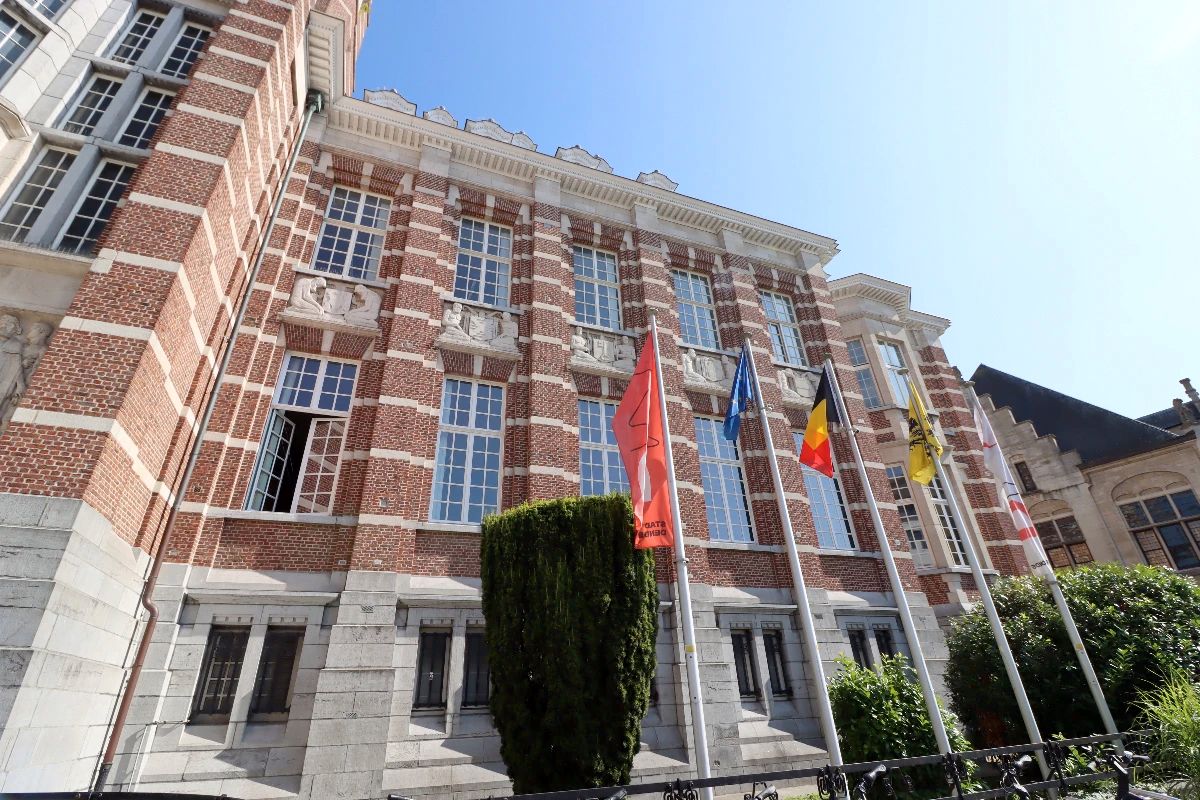
Existing façade constructions can often also be retained when windows are renovated. Many companies and public-sector clients are faced with the question of how to improve the thermal insulation of their existing buildings while conserving resources. When only the glazing is replaced with vacuum insulating glazing, for example, an existing aluminium façade does not have to be dismantled, recycled and replaced with a new construction. Secondary aluminium is significantly more resource-efficient than primary production. According to the aluminium industry, remelting requires around five per cent of the energy needed to produce primary aluminium. But even this energy input is avoided if the existing construction remains in the building.
Glass replacement also helps conserve resources. Thanks to its significantly slimmer and lighter build-up, Fineo uses less material than triple glazing while providing comparable thermal insulation performance. And the vacuum glass remains in the building for a long time: laboratory tests show that Fineo retains its thermal and acoustic insulation performance for more than 60 years. At the end of its service life, all components can be returned to the glass furnace. Unlike conventional insulating glass, which contains aluminium, butyl and polysulphide, Fineo consists entirely of ceramic materials and is 100 per cent recyclable and circular.
To transparently document the environmental impacts throughout the entire life cycle, AGC has commissioned third-party verified Environmental Product Declarations (EPDs) for Fineo in accordance with EN 15804+A2 and ISO 14025. For the 8 mm Low-Carbon version, the EPD reports a global warming potential of 18.9 kilograms of CO2 equivalent per square metre (INIES, cradle to gate). This places Fineo among the insulating glass solutions with particularly low GWP values. “In our daily discussions with customers, we see how much potential there is to combine energy efficiency with the efficient use of resources in window and façade renovation,” says Stefan Lips. “At glasstec, we advise planners, architects and window manufacturers on how this can be achieved with Fineo in restoration and renovation projects”.


